
LEO • Active
Orbital Relay
A constellation of low-latency satellites delivering global connectivity from low-Earth orbit.
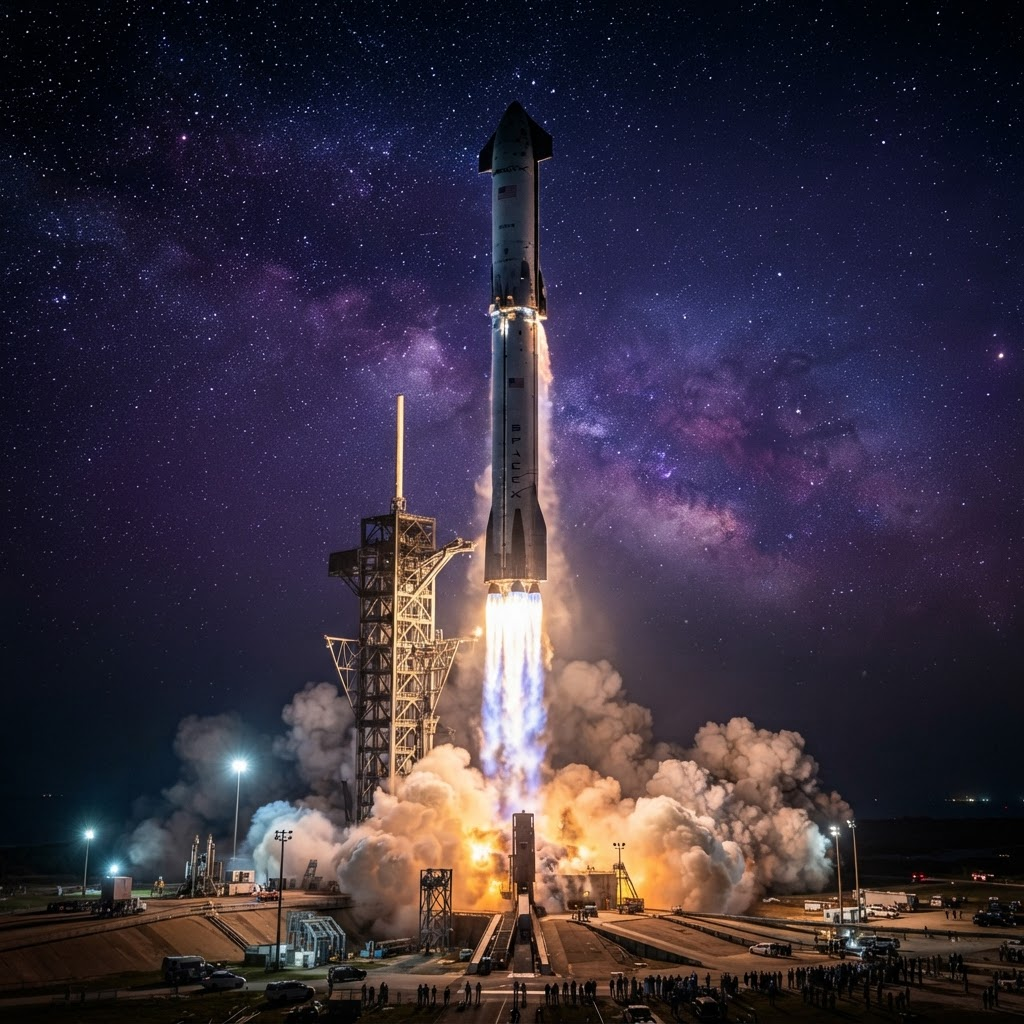
GalaxyX engineers reusable spacecraft, orbital infrastructure, and interplanetary technology — accelerating humanity's journey to becoming a multiplanetary species.
Founded to make life multiplanetary, GalaxyX unites the precision of aerospace engineering with the relentless pace of modern software. Our vertically integrated teams design, build, and fly next-generation launch vehicles from a single campus — iterating in weeks, not decades.
We believe the future belongs to those who build it. That future is written in reusable rockets, orbital habitats, and the quiet hum of engines carrying humanity outward.
Every stage returns home. Full reusability drives the cost of orbit down by orders of magnitude.
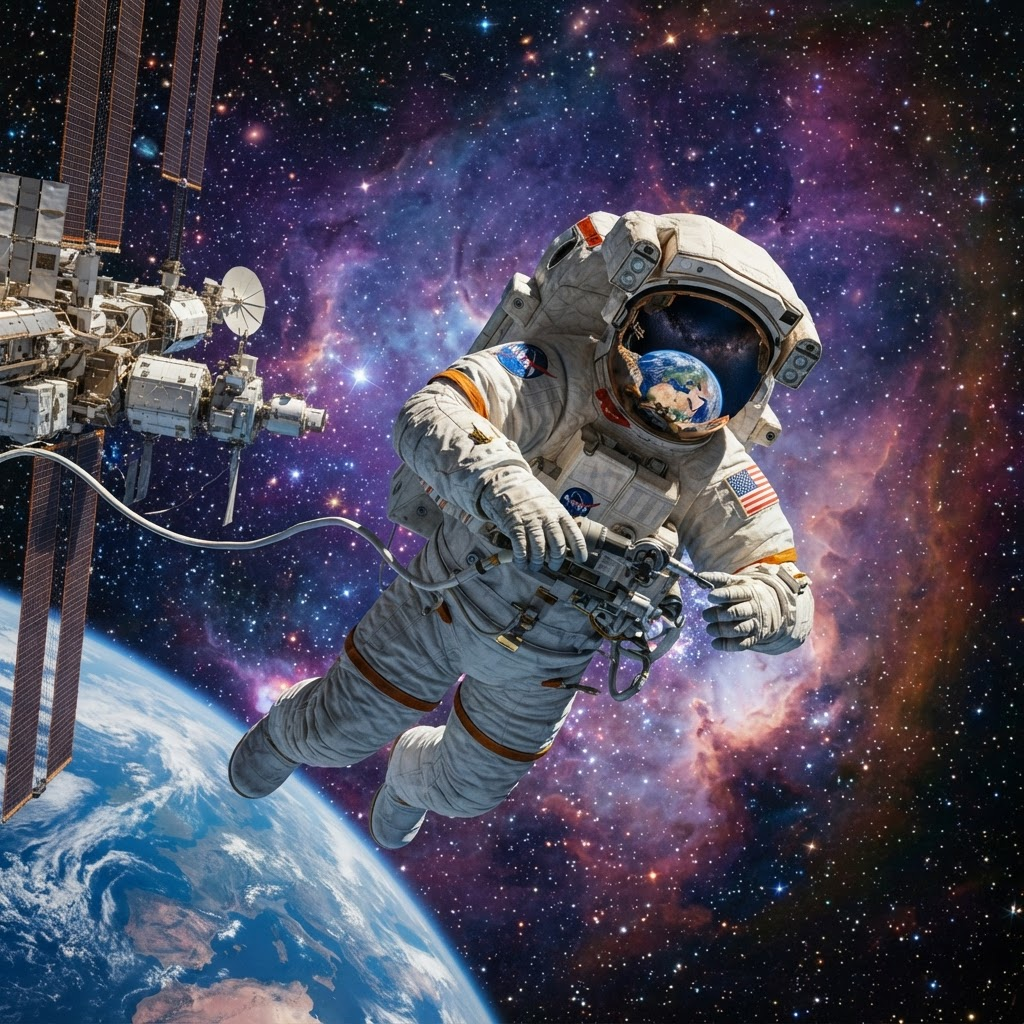
From low-Earth orbit to the Martian surface, we build the infrastructure of an interplanetary civilization.
Triple-redundant avionics and autonomous abort systems certified for crewed flight from day one.
From near-Earth constellations to the surface of Mars, each program moves us one launch closer to a spacefaring civilization.
A constellation of low-latency satellites delivering global connectivity from low-Earth orbit.

The first uncrewed cargo lander bound for Mars, carrying habitat and power infrastructure.

Next-gen ion propulsion research pushing probes deeper into the solar system than ever before.
Every subsystem is designed, machined, and tested in-house — an integrated stack from raw metal to orbital software.
Full-flow staged combustion running on deep-cryo methalox for maximum specific impulse.
Boosters land, refuel, and refly in under 24 hours with autonomous inspection.
On-board neural guidance computes trajectory corrections thousands of times per second.
Laser-linked satellites forming a resilient, self-healing communications backbone.
High-efficiency electric thrusters extending mission range across the solar system.
A ground array delivering command and telemetry across hundreds of millions of kilometers.
By the numbers
Successful launches
Mission success rate
Payload to orbit
Reflights of a single booster

Whether you're an engineer, a partner, or a future astronaut — tell us how you want to reach orbit.